Deck Cleaning in Melbourne: More Skill Than It Looks
Deck cleaning is the most underestimated job in deck care. Everyone owns or can hire a pressure washer, and every summer we're called to decks where one has done real harm: fuzzy, furred board surfaces, etched lines from a wand held too close, and timber so waterlogged it couldn't be coated for weeks. The machine wasn't the problem — the pressure, distance and technique were.
Our approach is safe, controlled timber washing. Yes, that includes pressure washing where it's appropriate — at pressures and fan widths chosen for the timber and its condition — but pressure is one tool in the wash, not the whole method. The goal is boards that come up clean and intact, ready for whatever comes next.
What a Professional Deck Wash Involves
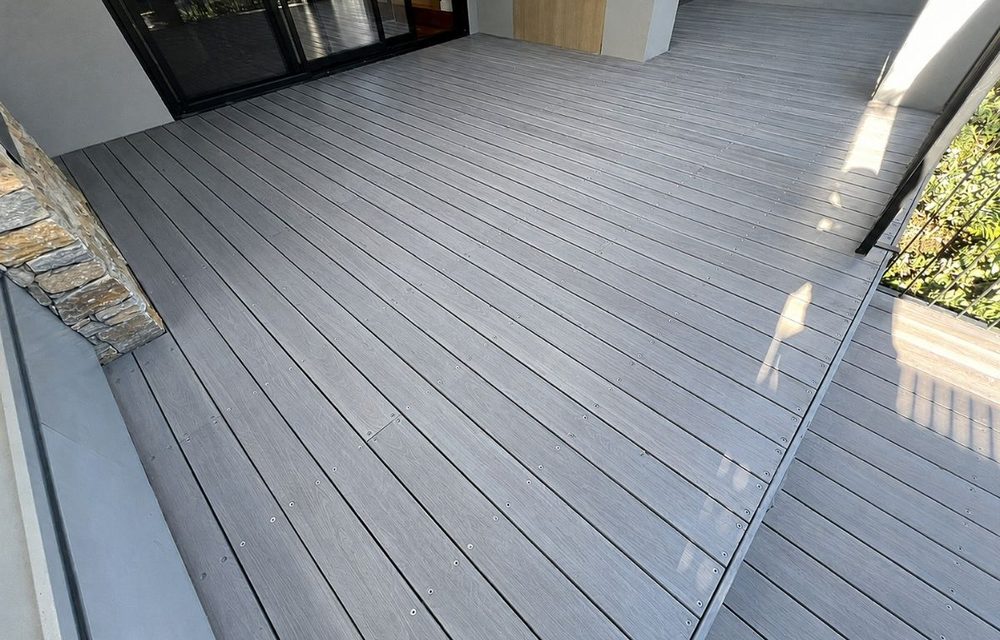
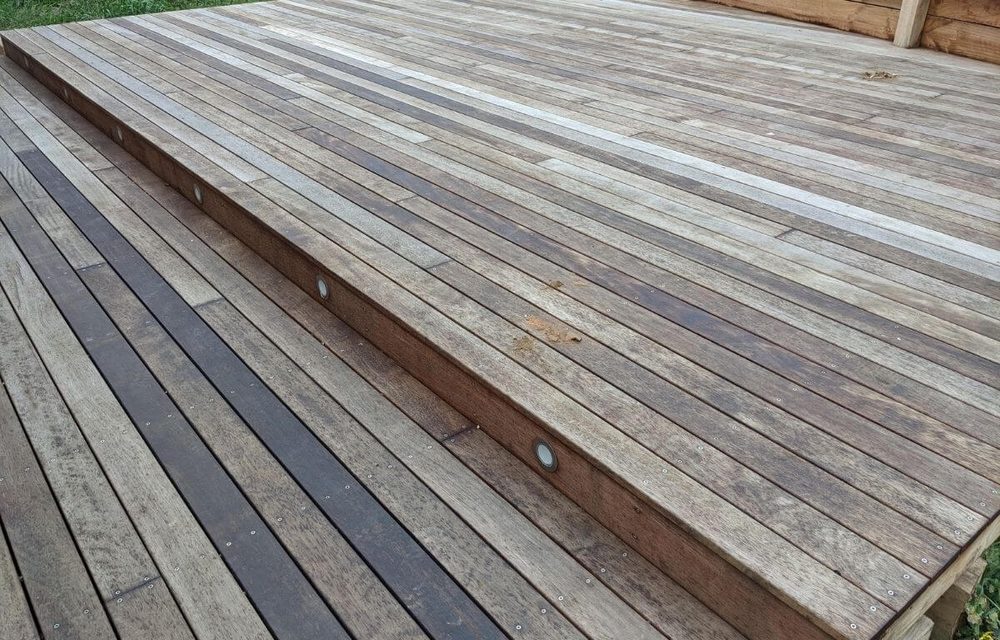
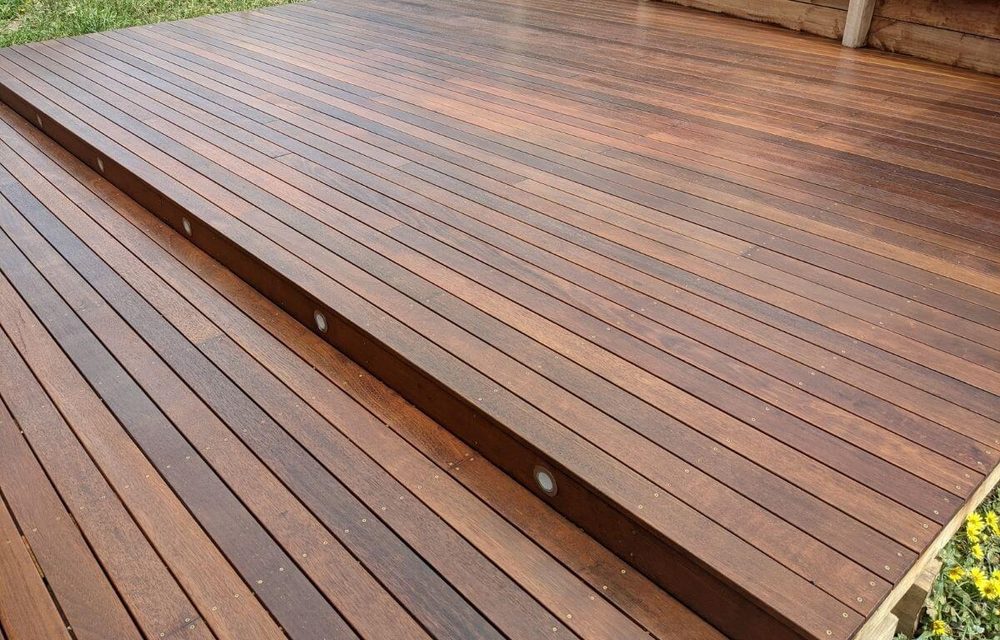
A proper deck clean runs in sequence. The deck is cleared and inspected — cleaning reveals problems, and it's better to know about soft boards before water goes near them. A timber-appropriate deck cleaner is applied to break down the real enemies: mould, algae, tannin marks and trapped grime, the things water alone just wets. Then the controlled wash — correct pressure, correct distance, working with the grain — lifts it all off. Stubborn areas get treated and repeated rather than blasted. The deck is then left to dry properly, because what happens next depends on what the clean reveals.
 Before
 After
AfterCleaning Is Step One — Not the Whole Story
Here's the honest framing: cleaning restores a deck's cleanliness, not its colour or its coating. If your deck is structurally sound with a working finish under the grime, a clean may be all it needs — and we'll happily tell you so. If the clean reveals grey, weathered timber, that's a sanding conversation. If the boards are sound but the finish is thirsty, cleaning is the preparation for re-oiling. And if the deck needs the lot, that's a full restoration, which begins with exactly this wash. Cleaning is where every deck's next chapter gets diagnosed — it's also the core of the twice-yearly rhythm in our deck maintenance programmes.
Why Melbourne Decks Get So Dirty
Melbourne's climate is a production line for deck grime. Wet winters feed mould and algae, especially on shaded, south-facing and tree-covered decks; leaf litter breaks down into staining tannins; and the city's dust and pollen settle into open timber grain through the dry months. Coastal decks on the Peninsula and around Geelong add salt film to the list. None of this is cosmetic: mould and trapped grime hold moisture against the boards, and moisture is how decks rot. A clean deck isn't just a nicer deck — it's a slower-aging one, which is why timber authorities like WoodSolutions put regular cleaning at the base of every deck-care guide.
Can You Pressure Wash a Timber Deck?
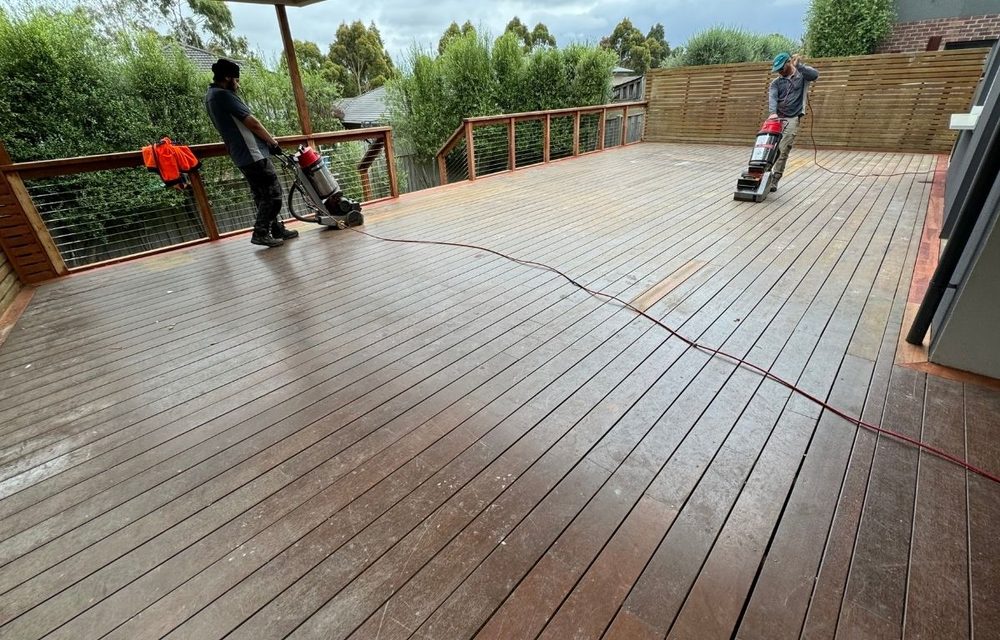
The question we're asked most, so here's the straight answer: yes — carefully, and that word is doing a lot of work. Timber tolerates controlled pressure applied at the right distance with a wide fan, moving with the grain. It does not tolerate high pressure up close: that's what furs soft grain, opens board surfaces and etches wand lines that only sanding can remove. If you're set on doing it yourself, use the widest fan, the lowest effective pressure, and keep the wand moving. Or send us photos and let us do it properly — it costs less than fixing a blasted deck.
Deck Cleaning FAQs
How often should a deck be cleaned in Melbourne?
Twice a year as a baseline — spring (post-winter mould and grime) and autumn (leaf litter before winter). Shaded, tree-covered and coastal decks benefit from more frequent attention.
Can I wash a deck myself with a pressure washer?
You can wash a deck yourself, but too much pressure or the wrong technique furs the timber, leaves wand marks and forces water deep into the boards. A professional deck wash uses controlled pressure, timber-safe cleaner and the right method for the deck's condition — and costs less than fixing a blasted deck.
Will cleaning bring back my deck's colour?
Cleaning removes dirt, mould and some surface grey, and the improvement can be dramatic — but it can't reverse UV weathering or restore a failed coating. If the timber itself has silvered, that's a sand-and-coat job, and we'll tell you honestly from the wash results.
What deck cleaner do you use?
Timber-appropriate cleaning products matched to the problem — mould and algae treatments, tannin and general grime cleaners — rather than one harsh chemical for everything. No products that bleach or damage the timber.
Can I oil my deck straight after cleaning?
Not straight after — the timber needs to dry properly first, typically a few days depending on weather. We schedule clean-and-coat jobs so the coating goes on at the right moisture level, which is one of the quiet reasons professional finishes last.
Get a Free Deck Cleaning Quote
Send us photos of your deck and we'll tell you whether it needs a clean, a clean-and-coat, or more — with a fixed price and no upfront payment, backed by our 12-month workmanship warranty.
Get a Free Quote or call 0409 175 333
Not sure if your deck needs cleaning or something more? Contact Melbourne Deck Masters — a few photos and we'll give you a straight answer.